8 Powerful Habits for a Calmer Mind and Emotional Well-being
Emotional Well-being Has Nothing to do with Feeling Happy All the Time, and Everything to do with Resilience.
Each of the following sections will help you to understand what emotional well-being is and the importance of emotional well-being in your day-to-day life. Finally, you will learn eight practical habits to help you build, protect and bolster your emotional well-being.
What Is Emotional Well-being?
According to the NIH’s Emotional Wellness Toolkit, the Emotional Wellness Toolkit describes emotional wellness as the ability to successfully manage and adapt to life’s inevitable stresses and traumas. Emotional well-being is the ability to understand your emotions and to respond to them in a healthy manner. It is not avoiding the negative. It is about being able to experience and then let go.
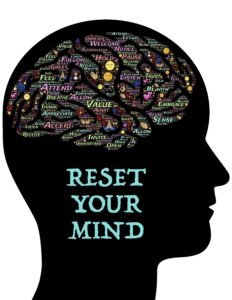
Why Emotional Well-being Affects Everything Else
The state of your emotions affects how you make decisions, how you communicate with others as well as your ability to solve problems you hadn’t anticipated.
Unbeknownst to many of us, physical health is also affected. According to the National Institute of Mental Health, ongoing stress without adequate coping mechanisms affects your ability to concentrate, causes sleeping problems and fatigue.
Relationships are negatively impacted as well. It becomes harder to be patient and present with loved ones when your own emotions feel unstable.
Your ability to work and be productive is impacted as well. It is harder to focus, plan, or make decisions when dealing with an emotional state overload due to a potentially unrelated stressor.
8 Habits That Support Emotional Well-Being
These habits are simple, but making them a habit helps a lot in the long run. No habit takes a lot of time or requires special resources to start. For that reason, they are the easiest to sustain long term.
- Name what you’re feeling. Vague statements such as “I’m off” do not express how you feel. Saying how you feel helps others understand how to respond.
- Create a bedtime routine. Your body begins to relax because it know what to expect.
- Stop doomscrolling or n scrolling before bed. Negative input late at night makes it hard to relax when it is time to sleep.
- Take a daily walk. It changes your mood more than you think.
- Spend the day with people you trust. Isolation makes emotions feel worse than they are.
- Practice gratitude for the small things.
- Noticing one good thing each day can change your mood.
- Set limits on how much energy you spend. Saying no to things that drain you means you have more energy for important things.
- Ask for help if you need it. Going to a friend or to a professional is not the last option, it is part of balancing your life.
Signs Your Emotional Well-being Needs Attention
While everyone has hard days, some things are worth paying attention to.
- Feeling irritable or overwhelmed most of the time.
- Staying away from people and things that you used to enjoy.
- Having bad sleeping habits or being really tired for no good reason.
- Having a hard time doing normal things.
None of these things that last a short time mean you have a big problem. They are worth paying attention to, because most of the time people get used to them and don’t think about how long they have had them.
If this stuff goes on for a long time then a good thing to do is to talk to someone who can help with your emotional well-being. For stuff like this, our guide to clearing emotional space is great to start with. Some things people ask about
Is emotional well-being the same as being happy?
No. You can have a lot of emotional well-being and still be sad a lot of the time. It is about being able to deal with those feelings and move past them.
Do people’s emotional well-beings change?
Yes. It is not something that stays the same. Your life and your habits change it as do other things.
How long will it take to see results?
Some things that you can do, like going for a walk or writing a note to say you are thankful, can improve your mood today. Deeper changes take consistently practicing a habit over a period of weeks.
When should I consult a professional?
Working, relationships, and daily life functioning are significantly impacted by chronic low mood, anxiety, and stress.
Do these habits replace therapy or medication?
No. They offer emotional support each day. They are not a substitute for professional treatment when it is necessary.
Conclusion
Emotional wellness cannot be built in one dramatic moment. It requires practicing small habits over time. Emotional wellness cannot be built in one dramatic moment. It requires practicing small habits over time.
Begin with one or two practices from the list and be patient with the process. More resources for building a calmer daily routine are available in our full blog or on DailyMindSoft.


3 Comments